Fiche personnelle: Fabrizio Dughiero
Fabrizio Dughiero
| Pays: | Italie |
|---|---|
| Ville: | Padova |
| Centres d’intérêt: | Array |
Cours
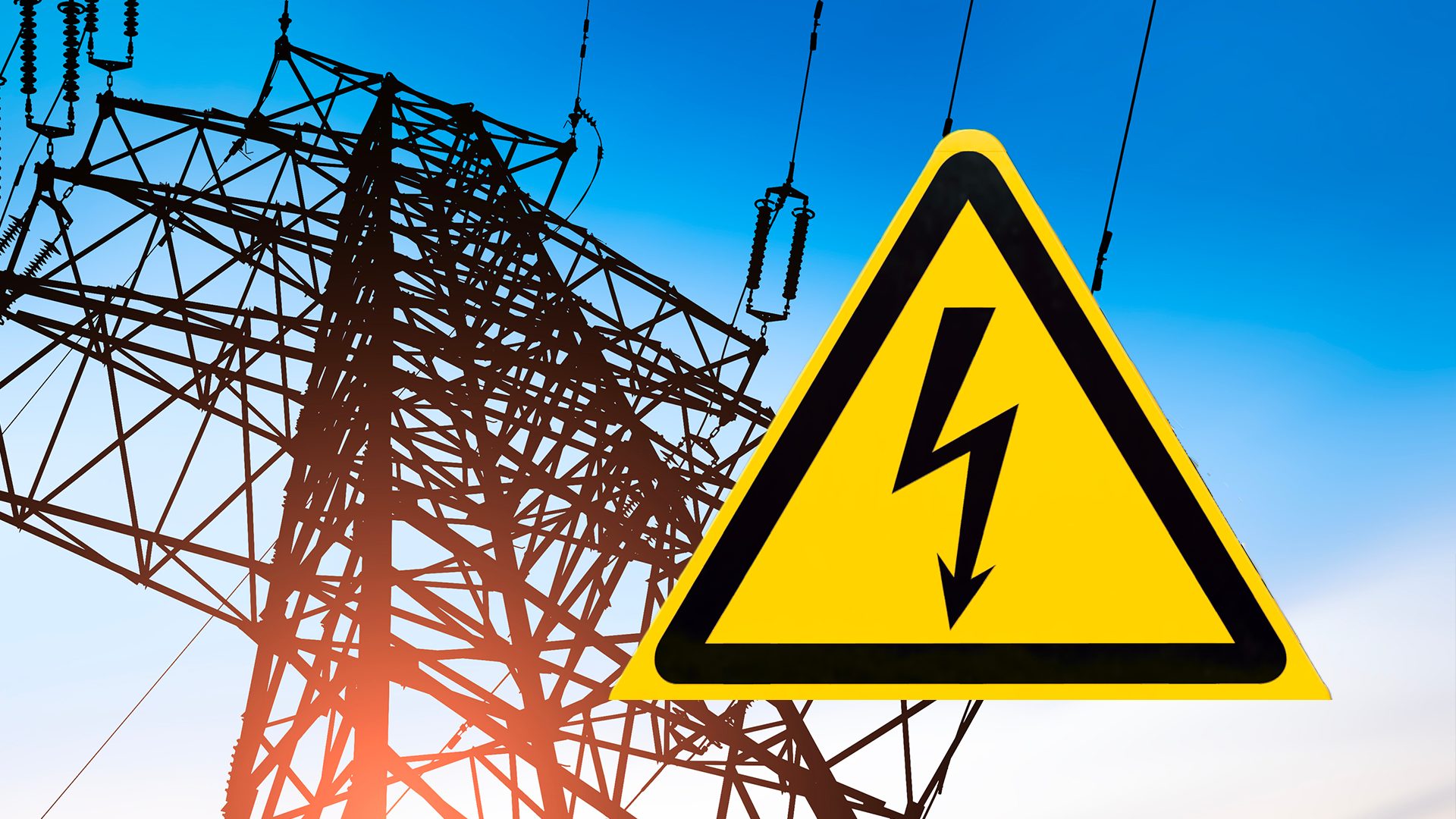

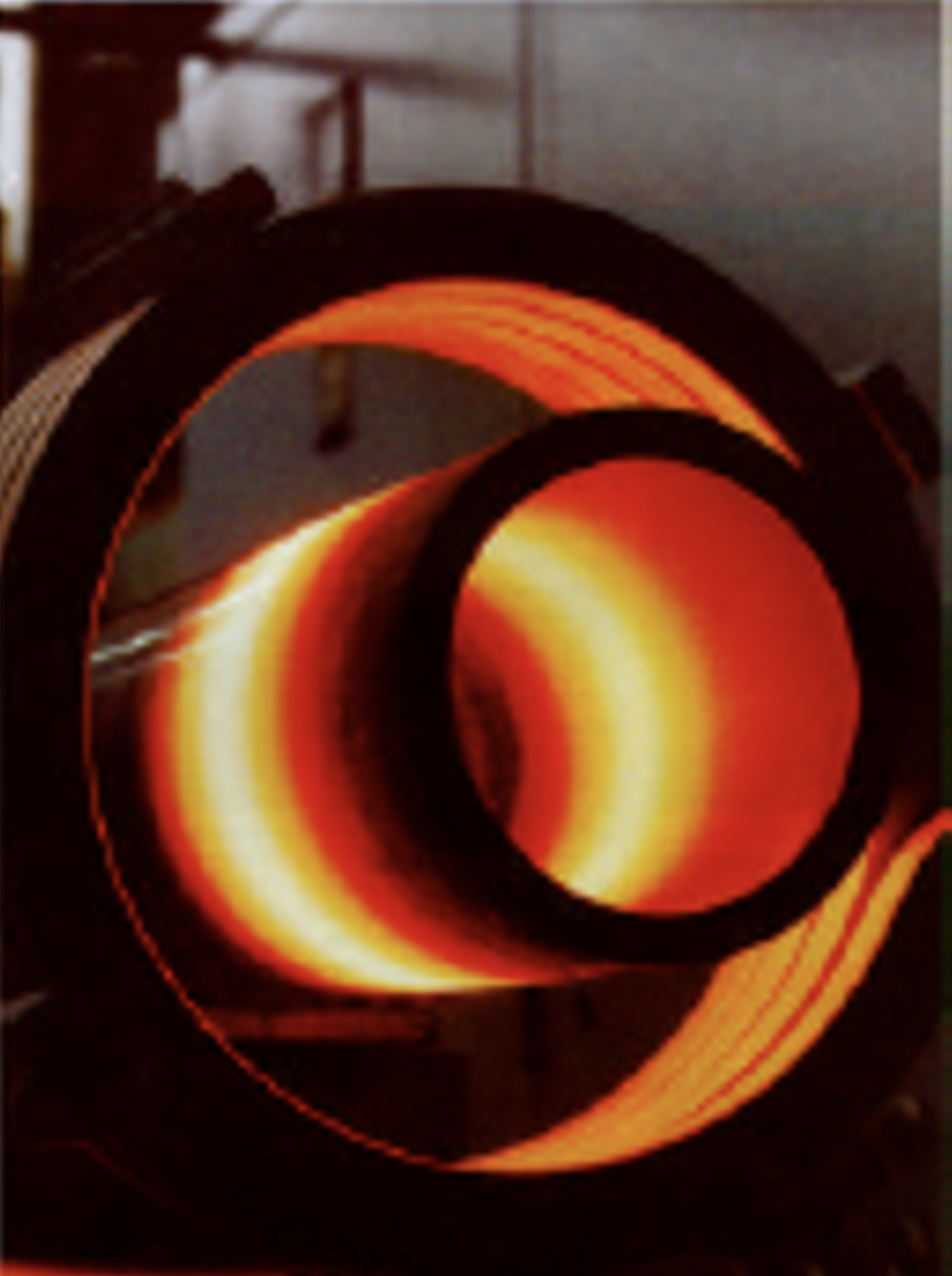
Industrial heat is about a quarter of the world's final energy, and most of it still comes from burning fuel. Electric technologies heat inside the material, control the temperature precisely and can be fed by renewable electricity — which is why the electrification of process heat is one of the decisive industrial questions of this decade. This course is about how those technologies work, how to size them, and how to decide when they are worth using.
It is written for materials engineers and chemical engineers, not for electrical engineers. No previous course in electrical engineering is assumed: the physics is introduced with the minimum formalism needed to size a process and to read a supplier's specification. Everything is built around one question — given this material and this transformation, which electrical technology should heat it, how big should the equipment be, and does it pay?
The course is in three parts. We begin with why and when to electrify: industrial heat by temperature band, the electricity supply chain seen from the process, and a compact decision framework based on primary energy, cost and CO₂. We then go through the technologies one by one — the Joule effect, induction, resistance furnaces, radio-frequency and microwave heating, infrared, arc and plasma, and the electric routes that are not Joule heating at all, such as heat pumps, vapour recompression and electrolysis — always asking the same four questions: what physics generates the heat, what the equipment delivers, how it is sized, and what it costs. We close with the use cases, sector by sector: metals, ceramics, glass, polymers and composites, chemicals and cement, food and bio-based products.
Three laboratory sessions at the EM4E-Lab (via Gradenigo 6/a) put numbers on what is discussed in class: you will measure the energy balance of a resistance furnace, the coil–load efficiency of an induction heater, and the power delivered by microwave and RF applicators. In parallel you will work in teams on the Electrification Challenge: choose a real process that needs heat, design its electric route, and defend the choice with energy, cost and CO₂ numbers.
Practical information. 6 CFU, 24 sessions of two hours, from 28 September to 21 December 2026. Lectures on Monday 12:30–14:30 (room ICH1) and Tuesday 8:30–10:30 (room M6); laboratories in the Monday afternoon slot. Teaching and examination are in English. The mark combines the group project work (50 %), participation with profit during the course (20 %) and a final oral examination (30 %).
Material. Course notes written for this course are published here part by part, following the programme; the slides of each lecture are posted after the lecture. The reference text is S. Lupi, Fundamentals of Electroheat: Electrical Technologies for Process Heating (Springer, 2016), available through the university library.
Prof. Fabrizio Dughiero — Department of Industrial Engineering — fabrizio.dughiero@unipd.it
- Enseignant: Fabrizio Dughiero
- Enseignant: Luigi Alberti
- Enseignant: Mauro Andriollo
- Enseignant: Andrea Bagno
- Enseignant: Massimiliano Barolo
- Enseignant: Alberto Benato
- Enseignant: Roberto Benato
- Enseignant: Ernesto Benini
- Enseignant: Enrico Bernardo
- Enseignant: Roberta Bertani
- Enseignant: Rachele Bertolini
- Enseignant: Manuele Bertoluzzo
- Enseignant: Fabrizio Bezzo
- Enseignant: Nicola Bianchi
- Enseignant: Lisa Biasetto
- Enseignant: Fabio Bignucolo
- Enseignant: Stefano Bortolin
- Enseignant: Matteo Bottin
- Enseignant: Katya Brunelli
- Enseignant: Stefania Bruschi
- Enseignant: Irene Calliari
- Enseignant: Alberto Campagnolo
- Enseignant: Paolo Canu
- Enseignant: Simone Carmignato
- Enseignant: Emanuele Luigi Carniel
- Enseignant: Giovanna Cavazzini
- Enseignant: Elisa Cimetta
- Enseignant: Silvio Cocuzza
- Enseignant: Paolo Colombo
- Enseignant: Massimiliano Coppo
- Enseignant: Sebastian Dambone Sessa
- Enseignant: Michele De Carli
- Enseignant: Davide Del Col
- Enseignant: Monica Dettin
- Enseignant: Antonino Di Bella
- Enseignant: Andrea Diani
- Enseignant: Alberto Doria
- Enseignant: Fabrizio Dughiero
- Enseignant: Nicola Elvassore
- Enseignant: Pierantonio Facco
- Enseignant: Giulio Fanti
- Enseignant: Michele Forzan
- Enseignant: Giorgia Franchin
- Enseignant: Andrea Ghiotti
- Enseignant: Monica Giomo
- Enseignant: Massimo Guarnieri
- Enseignant: Andrea Lazzaretto
- Enseignant: Alessandra Lorenzetti
- Enseignant: Arturo Lorenzoni
- Enseignant: Roberto Lot
- Enseignant: Giovanni Lucchetta
- Enseignant: Alessandro Manzardo
- Enseignant: Andrea Marion
- Enseignant: Massimo Masi
- Enseignant: Matteo Massaro
- Enseignant: Anna Mazzi
- Enseignant: Giovanni Meneghetti
- Enseignant: Michele Modesti
- Enseignant: Federico Moro
- Enseignant: Lorenzo Moro
- Enseignant: Lucia Nicola
- Enseignant: Marco Noro
- Enseignant: Luca Palmeri
- Enseignant: Ilaria Palomba
- Enseignant: Piero Pavan
- Enseignant: Giorgio Pavesi
- Enseignant: Nicola Petrone
- Enseignant: Sergio Rech
- Enseignant: Mauro Ricotta
- Enseignant: Giulio Rosati
- Enseignant: Martina Roso
- Enseignant: Andrea Claudio Santomaso
- Enseignant: Enrico Savio
- Enseignant: Paolo Sgarbossa
- Enseignant: Angelo Simone
- Enseignant: Marco Sorgato
- Enseignant: Sara Spilimbergo
- Enseignant: Anna Stoppato
- Enseignant: Silvia Todros
- Enseignant: Roberto Turri
- Enseignant: Maria Francesca Uccheddu
- Enseignant: Chiara Vianello
- Enseignant: Angelo Zarrella
- Enseignant: Luigi Alberti
- Enseignant: Piergiorgio Alotto
- Enseignant: Mauro Andriollo
- Enseignant: Bruno Atzori
- Enseignant: Andrea Bagno
- Enseignant: Massimiliano Barolo
- Enseignant: Alberto Benato
- Enseignant: Roberto Benato
- Enseignant: Enrico Bernardo
- Enseignant: Roberta Bertani
- Enseignant: Rachele Bertolini
- Enseignant: Manuele Bertoluzzo
- Enseignant: Alberto Bertucco
- Enseignant: Fabrizio Bezzo
- Enseignant: Nicola Bianchi
- Enseignant: Lisa Biasetto
- Enseignant: Fabio Bignucolo
- Enseignant: Silverio Bolognani
- Enseignant: Stefano Bortolin
- Enseignant: Matteo Bottin
- Enseignant: Katya Brunelli
- Enseignant: Stefania Bruschi
- Enseignant: Irene Calliari
- Enseignant: Alberto Campagnolo
- Enseignant: Paolo Canu
- Enseignant: Simone Carmignato
- Enseignant: Emanuele Luigi Carniel
- Enseignant: Giovanna Cavazzini
- Enseignant: Elisa Cimetta
- Enseignant: Silvio Cocuzza
- Enseignant: Paolo Colombo
- Enseignant: Massimiliano Coppo
- Enseignant: Sebastian Dambone Sessa
- Enseignant: Michele De Carli
- Enseignant: Davide Del Col
- Enseignant: Monica Dettin
- Enseignant: Antonino Di Bella
- Enseignant: Andrea Diani
- Enseignant: Alberto Doria
- Enseignant: Fabrizio Dughiero
- Enseignant: Nicola Elvassore
- Enseignant: Pierantonio Facco
- Enseignant: Giulio Fanti
- Enseignant: Michele Forzan
- Enseignant: Giorgia Franchin
- Enseignant: Andrea Ghiotti
- Enseignant: Monica Giomo
- Enseignant: Massimo Guarnieri
- Enseignant: Andrea Lazzaretto
- Enseignant: Basilio Lenzo
- Enseignant: Alessandra Lorenzetti
- Enseignant: Arturo Lorenzoni
- Enseignant: Roberto Lot
- Enseignant: Giovanni Lucchetta
- Enseignant: Alessandro Manzardo
- Enseignant: Mattia Manzolaro
- Enseignant: Andrea Marion
- Enseignant: Giuseppe Maschio
- Enseignant: Massimo Masi
- Enseignant: Matteo Massaro
- Enseignant: Anna Mazzi
- Enseignant: Giovanni Meneghetti
- Enseignant: Silvia Minetto
- Enseignant: Michele Modesti
- Enseignant: Federico Moro
- Enseignant: Lorenzo Moro
- Enseignant: Lucia Nicola
- Enseignant: Marco Noro
- Enseignant: Ilaria Palomba
- Enseignant: Piero Pavan
- Enseignant: Giorgio Pavesi
- Enseignant: Nicola Petrone
- Enseignant: Sergio Rech
- Enseignant: Mauro Ricotta
- Enseignant: Martina Roso
- Enseignant: Luisa Rossetto
- Enseignant: Andrea Claudio Santomaso
- Enseignant: Enrico Savio
- Enseignant: Eleonora Sforza
- Enseignant: Paolo Sgarbossa
- Enseignant: Angelo Simone
- Enseignant: Marco Sorgato
- Enseignant: Sara Spilimbergo
- Enseignant: Anna Stoppato
- Enseignant: Silvia Todros
- Enseignant: Roberto Turri
- Enseignant: Maria Francesca Uccheddu
- Enseignant: Chiara Vianello
- Enseignant: Angelo Zarrella
- Enseignant: Luigi Alberti
- Enseignant: Piergiorgio Alotto
- Enseignant: Mauro Andriollo
- Enseignant: Bruno Atzori
- Enseignant: Andrea Bagno
- Enseignant: Massimiliano Barolo
- Enseignant: Alberto Benato
- Enseignant: Roberto Benato
- Enseignant: Ernesto Benini
- Enseignant: Enrico Bernardo
- Enseignant: Roberta Bertani
- Enseignant: Rachele Bertolini
- Enseignant: Manuele Bertoluzzo
- Enseignant: Alberto Bertucco
- Enseignant: Fabrizio Bezzo
- Enseignant: Nicola Bianchi
- Enseignant: Lisa Biasetto
- Enseignant: Fabio Bignucolo
- Enseignant: Silverio Bolognani
- Enseignant: Stefano Bortolin
- Enseignant: Matteo Bottin
- Enseignant: Katya Brunelli
- Enseignant: Stefania Bruschi
- Enseignant: Irene Calliari
- Enseignant: Alberto Campagnolo
- Enseignant: Paolo Canu
- Enseignant: Simone Carmignato
- Enseignant: Emanuele Luigi Carniel
- Enseignant: Giovanna Cavazzini
- Enseignant: Elisa Cimetta
- Enseignant: Silvio Cocuzza
- Enseignant: Paolo Colombo
- Enseignant: Massimiliano Coppo
- Enseignant: Sebastian Dambone Sessa
- Enseignant: Michele De Carli
- Enseignant: Davide Del Col
- Enseignant: Monica Dettin
- Enseignant: Antonino Di Bella
- Enseignant: Andrea Diani
- Enseignant: Alberto Doria
- Enseignant: Fabrizio Dughiero
- Enseignant: Nicola Elvassore
- Enseignant: Pierantonio Facco
- Enseignant: Giulio Fanti
- Enseignant: Michele Forzan
- Enseignant: Giorgia Franchin
- Enseignant: Andrea Ghiotti
- Enseignant: Monica Giomo
- Enseignant: Massimo Guarnieri
- Enseignant: Andrea Lazzaretto
- Enseignant: Basilio Lenzo
- Enseignant: Alessandra Lorenzetti
- Enseignant: Arturo Lorenzoni
- Enseignant: Roberto Lot
- Enseignant: Giovanni Lucchetta
- Enseignant: Alessandro Manzardo
- Enseignant: Mattia Manzolaro
- Enseignant: Andrea Marion
- Enseignant: Giuseppe Maschio
- Enseignant: Massimo Masi
- Enseignant: Matteo Massaro
- Enseignant: Anna Mazzi
- Enseignant: Giovanni Meneghetti
- Enseignant: Silvia Minetto
- Enseignant: Michele Modesti
- Enseignant: Federico Moro
- Enseignant: Lorenzo Moro
- Enseignant: Lucia Nicola
- Enseignant: Marco Noro
- Enseignant: Luca Palmeri
- Enseignant: Ilaria Palomba
- Enseignant: Piero Pavan
- Enseignant: Giorgio Pavesi
- Enseignant: Nicola Petrone
- Enseignant: Sergio Rech
- Enseignant: Mauro Ricotta
- Enseignant: Giulio Rosati
- Enseignant: Martina Roso
- Enseignant: Antonio Rossetti
- Enseignant: Luisa Rossetto
- Enseignant: Andrea Claudio Santomaso
- Enseignant: Enrico Savio
- Enseignant: Antonio Scipioni
- Enseignant: Eleonora Sforza
- Enseignant: Paolo Sgarbossa
- Enseignant: Elisabetta Sieni
- Enseignant: Angelo Simone
- Enseignant: Marco Sorgato
- Enseignant: Sara Spilimbergo
- Enseignant: Anna Stoppato
- Enseignant: Silvia Todros
- Enseignant: Roberto Turri
- Enseignant: Maria Francesca Uccheddu
- Enseignant: Chiara Vianello
- Enseignant: Angelo Zarrella

Course Overview: Electromagnetic Processing of Materials (EPM) and Electroheat Technologies
The aim of this course is to equip students with both theoretical knowledge and practical skills in using Electromagnetic Processing of Materials (EPM) and Electroheat technologies to produce advanced materials and enhance the properties of traditional ones. EPM is gaining prominence as a cutting-edge and sustainable method for material processing, capable of significantly reducing energy consumption compared to conventional fossil-fuel-based methods like gas heating. This energy efficiency, combined with the potential for more precise control over heating processes, makes EPM an essential technology in today’s drive towards sustainability and green engineering.
Why EPM Matters for Sustainability and Future Engineers
One of the key benefits of EPM is its ability to save primary energy by using electricity, which can be sourced from renewable energy, as opposed to fossil fuels. This not only reduces CO₂ emissions but also minimizes waste by providing precise, localized heating, lowering the overall environmental footprint. For these reasons, it is crucial that future technicians and engineers possess a deep understanding of these technologies, as they will play a pivotal role in the shift towards sustainable manufacturing across various industries, including automotive, aerospace, and electronics.
Technologies Covered in the Course
The course will cover a range of Electromagnetic and Electroheat technologies, focusing on their applications, advantages, and challenges:
1. Resistance Heating: Widely used in industrial furnaces, resistance heating transforms electrical energy directly into heat.
2. Conduction Heating: A method that relies on direct heat transfer from one material to another.
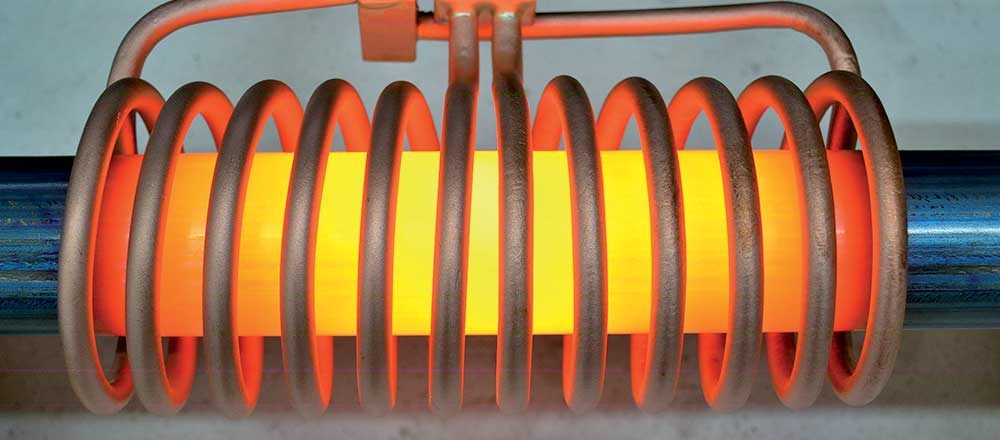
3. Induction Heating: A highly efficient method of heating conductive materials through electromagnetic induction, ideal for rapid and localized heating applications such as surface hardening and melting.
4. Radio Frequency (RF) Heating: This method utilizes RF waves to heat dielectric materials, offering precise control over temperature and penetration depth, especially in applications like curing, drying, and food processing.
5. Microwave Heating: This technique provides volumetric heating of non-conductive materials, commonly used in ceramics and polymer processing, food processing and much more.
State-of-the-Art Facilities and Practical Application
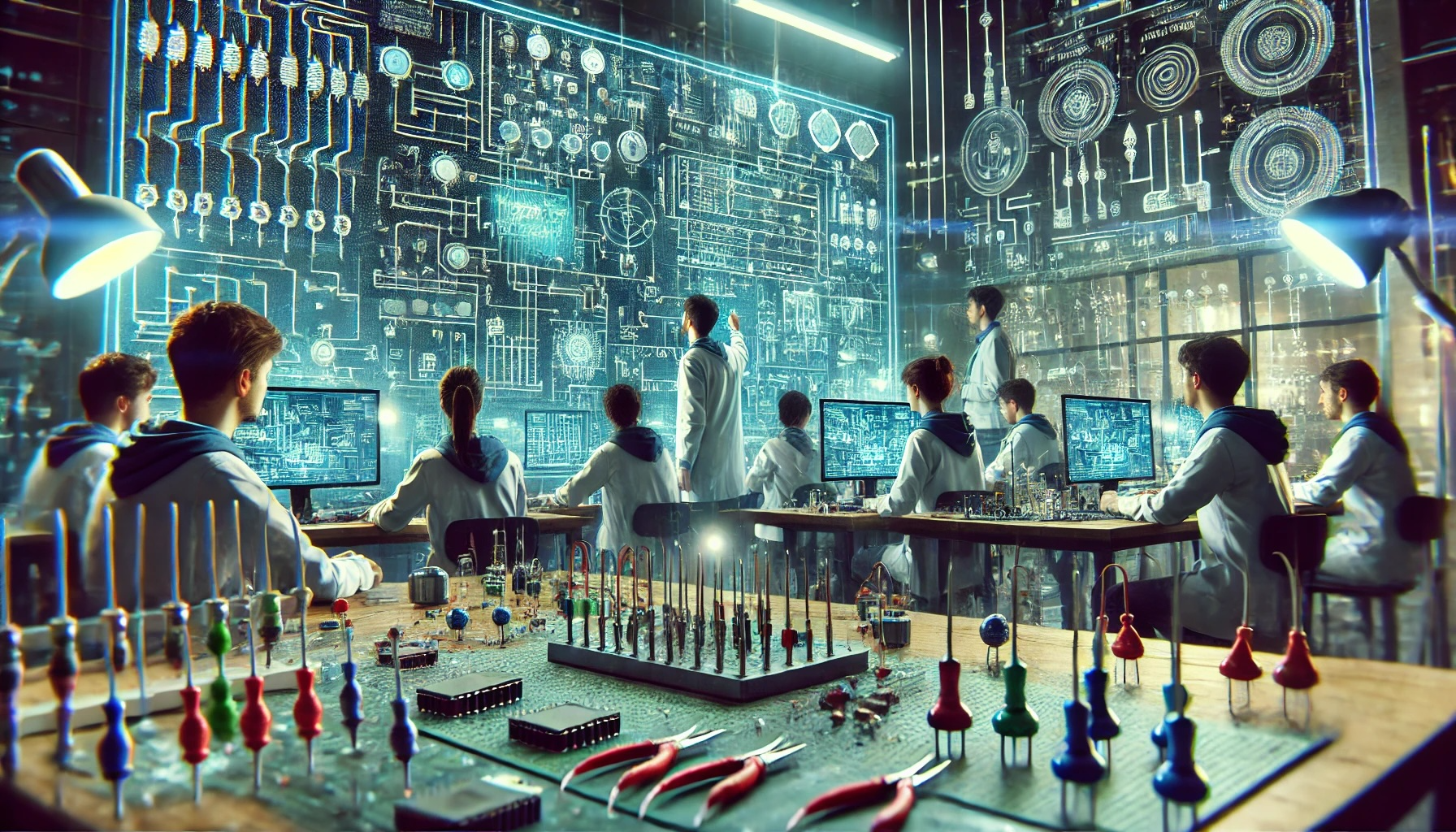
To bridge theory and practice, students will have access to one of the world’s most advanced Electroheat laboratories. Our State-of-the-Art facilities enable hands-on experience with industrial-scale equipment, allowing students to experiment with real-world applications of the technologies discussed in the course. From performing induction heating experiments to optimizing microwave heating for different materials, students will engage in experiments that mimic industry-standard processes, preparing them for future challenges in the field.
Project work
The course will offer to students a unique opportunity to develop the team building skills by the requested preparation of a final project work dealing with one of the electriheat technologies
- Enseignant: Fabrizio Dughiero
- Enseignant: Luigi Alberti
- Enseignant: Mauro Andriollo
- Enseignant: Bruno Atzori
- Enseignant: Marco Azzolin
- Enseignant: Andrea Bagno
- Enseignant: Michele Ballan
- Enseignant: Elena Barbera
- Enseignant: Massimiliano Barolo
- Enseignant: Alberto Benato
- Enseignant: Roberto Benato
- Enseignant: Ernesto Benini
- Enseignant: Enrico Bernardo
- Enseignant: Roberta Bertani
- Enseignant: Rachele Bertolini
- Enseignant: Manuele Bertoluzzo
- Enseignant: Alberto Bertucco
- Enseignant: Fabrizio Bezzo
- Enseignant: Nicola Bianchi
- Enseignant: Lisa Biasetto
- Enseignant: Fabio Bignucolo
- Enseignant: Carlo Boaretti
- Enseignant: Silverio Bolognani
- Enseignant: Stefano Bortolin
- Enseignant: Matteo Bottin
- Enseignant: Katya Brunelli
- Enseignant: Stefania Bruschi
- Enseignant: Irene Calliari
- Enseignant: Alberto Campagnolo
- Enseignant: Paolo Canu
- Enseignant: Francesca Cappelletti
- Enseignant: Emanuele Luigi Carniel
- Enseignant: Giovanna Cavazzini
- Enseignant: Elisa Cimetta
- Enseignant: Silvio Cocuzza
- Enseignant: Paolo Colombo
- Enseignant: Massimiliano Coppo
- Enseignant: Stefano Corradetti
- Enseignant: Sebastian Dambone Sessa
- Enseignant: Michele De Carli
- Enseignant: Davide Del Col
- Enseignant: Monica Dettin
- Enseignant: Antonino Di Bella
- Enseignant: Andrea Diani
- Enseignant: Alberto Doria
- Enseignant: Fabrizio Dughiero
- Enseignant: Hamada Said Abdelwahab Elsayed
- Enseignant: Nicola Elvassore
- Enseignant: Giuseppe Emmi
- Enseignant: monica fabrizio
- Enseignant: Pierantonio Facco
- Enseignant: Giulio Fanti
- Enseignant: laura fedele
- Enseignant: Michele Forzan
- Enseignant: Giorgia Franchin
- Enseignant: Andrea Ghiotti
- Enseignant: Monica Giomo
- Enseignant: Massimo Guarnieri
- Enseignant: Andrea Lazzaretto
- Enseignant: Basilio Lenzo
- Enseignant: Alessandra Lorenzetti
- Enseignant: Arturo Lorenzoni
- Enseignant: Roberto Lot
- Enseignant: Giovanni Lucchetta
- Enseignant: Alessandro Manzardo
- Enseignant: Mattia Manzolaro
- Enseignant: Andrea Marion
- Enseignant: Giuseppe Maschio
- Enseignant: Massimo Masi
- Enseignant: Matteo Massaro
- Enseignant: Anna Mazzi
- Enseignant: Giovanni Meneghetti
- Enseignant: Silvia Minetto
- Enseignant: Paolo Mocellin
- Enseignant: Michele Modesti
- Enseignant: alberto monetti
- Enseignant: Federico Moro
- Enseignant: Lorenzo Moro
- Enseignant: Lucia Nicola
- Enseignant: Marco Noro
- Enseignant: Ludovico Ortombina
- Enseignant: alberto ortona
- Enseignant: Luca Palmeri
- Enseignant: Ilaria Palomba
- Enseignant: Piero Pavan
- Enseignant: Giorgio Pavesi
- Enseignant: Nicola Petrone
- Enseignant: Sergio Rech
- Enseignant: Mauro Ricotta
- Enseignant: Giulio Rosati
- Enseignant: Martina Roso
- Enseignant: Antonio Rossetti
- Enseignant: Luisa Rossetto
- Enseignant: Andrea Claudio Santomaso
- Enseignant: Enrico Savio
- Enseignant: Antonio Scipioni
- Enseignant: Eleonora Sforza
- Enseignant: Paolo Sgarbossa
- Enseignant: Elisabetta Sieni
- Enseignant: Angelo Simone
- Enseignant: Enrico Simonetto
- Enseignant: Marco Sorgato
- Enseignant: Sara Spilimbergo
- Enseignant: Anna Stoppato
- Enseignant: Silvia Todros
- Enseignant: Riccardo Torchio
- Enseignant: Roberto Turri
- Enseignant: Maria Francesca Uccheddu
- Enseignant: Chiara Vianello
- Enseignant: Angelo Zarrella
- Enseignant: Luigi Alberti
- Enseignant: Mauro Andriollo
- Enseignant: Bruno Atzori
- Enseignant: Marco Azzolin
- Enseignant: Andrea Bagno
- Enseignant: Michele Ballan
- Enseignant: Elena Barbera
- Enseignant: Massimiliano Barolo
- Enseignant: Alberto Benato
- Enseignant: Roberto Benato
- Enseignant: Ernesto Benini
- Enseignant: Enrico Bernardo
- Enseignant: Roberta Bertani
- Enseignant: Rachele Bertolini
- Enseignant: Manuele Bertoluzzo
- Enseignant: Alberto Bertucco
- Enseignant: Fabrizio Bezzo
- Enseignant: Nicola Bianchi
- Enseignant: Lisa Biasetto
- Enseignant: Fabio Bignucolo
- Enseignant: Carlo Boaretti
- Enseignant: Silverio Bolognani
- Enseignant: Stefano Bortolin
- Enseignant: Matteo Bottin
- Enseignant: Katya Brunelli
- Enseignant: Stefania Bruschi
- Enseignant: Irene Calliari
- Enseignant: Alberto Campagnolo
- Enseignant: Paolo Canu
- Enseignant: Francesca Cappelletti
- Enseignant: Emanuele Luigi Carniel
- Enseignant: Giovanna Cavazzini
- Enseignant: Elisa Cimetta
- Enseignant: Silvio Cocuzza
- Enseignant: Paolo Colombo
- Enseignant: Massimiliano Coppo
- Enseignant: Stefano Corradetti
- Enseignant: Sebastian Dambone Sessa
- Enseignant: Michele De Carli
- Enseignant: Davide Del Col
- Enseignant: Monica Dettin
- Enseignant: Antonino Di Bella
- Enseignant: Andrea Diani
- Enseignant: Fabrizio Dughiero
- Enseignant: Hamada Said Abdelwahab Elsayed
- Enseignant: Nicola Elvassore
- Enseignant: Giuseppe Emmi
- Enseignant: monica fabrizio
- Enseignant: Pierantonio Facco
- Enseignant: Giulio Fanti
- Enseignant: laura fedele
- Enseignant: Michele Forzan
- Enseignant: Giorgia Franchin
- Enseignant: Andrea Ghiotti
- Enseignant: Monica Giomo
- Enseignant: Massimo Guarnieri
- Enseignant: Andrea Lazzaretto
- Enseignant: Basilio Lenzo
- Enseignant: Alessandra Lorenzetti
- Enseignant: Arturo Lorenzoni
- Enseignant: Roberto Lot
- Enseignant: Giovanni Lucchetta
- Enseignant: Alessandro Manzardo
- Enseignant: Mattia Manzolaro
- Enseignant: Andrea Marion
- Enseignant: Giuseppe Maschio
- Enseignant: Massimo Masi
- Enseignant: Matteo Massaro
- Enseignant: Anna Mazzi
- Enseignant: Giovanni Meneghetti
- Enseignant: Silvia Minetto
- Enseignant: Paolo Mocellin
- Enseignant: Michele Modesti
- Enseignant: alberto monetti
- Enseignant: Federico Moro
- Enseignant: Lorenzo Moro
- Enseignant: Lucia Nicola
- Enseignant: Marco Noro
- Enseignant: Ludovico Ortombina
- Enseignant: Luca Palmeri
- Enseignant: Ilaria Palomba
- Enseignant: Piero Pavan
- Enseignant: Giorgio Pavesi
- Enseignant: Nicola Petrone
- Enseignant: Sergio Rech
- Enseignant: Mauro Ricotta
- Enseignant: Giulio Rosati
- Enseignant: Martina Roso
- Enseignant: Antonio Rossetti
- Enseignant: Luisa Rossetto
- Enseignant: Andrea Claudio Santomaso
- Enseignant: Enrico Savio
- Enseignant: Antonio Scipioni
- Enseignant: Eleonora Sforza
- Enseignant: Paolo Sgarbossa
- Enseignant: Elisabetta Sieni
- Enseignant: Angelo Simone
- Enseignant: Enrico Simonetto
- Enseignant: Marco Sorgato
- Enseignant: Sara Spilimbergo
- Enseignant: Anna Stoppato
- Enseignant: Silvia Todros
- Enseignant: Riccardo Torchio
- Enseignant: Roberto Turri
- Enseignant: Maria Francesca Uccheddu
- Enseignant: Chiara Vianello
- Enseignant: Angelo Zarrella
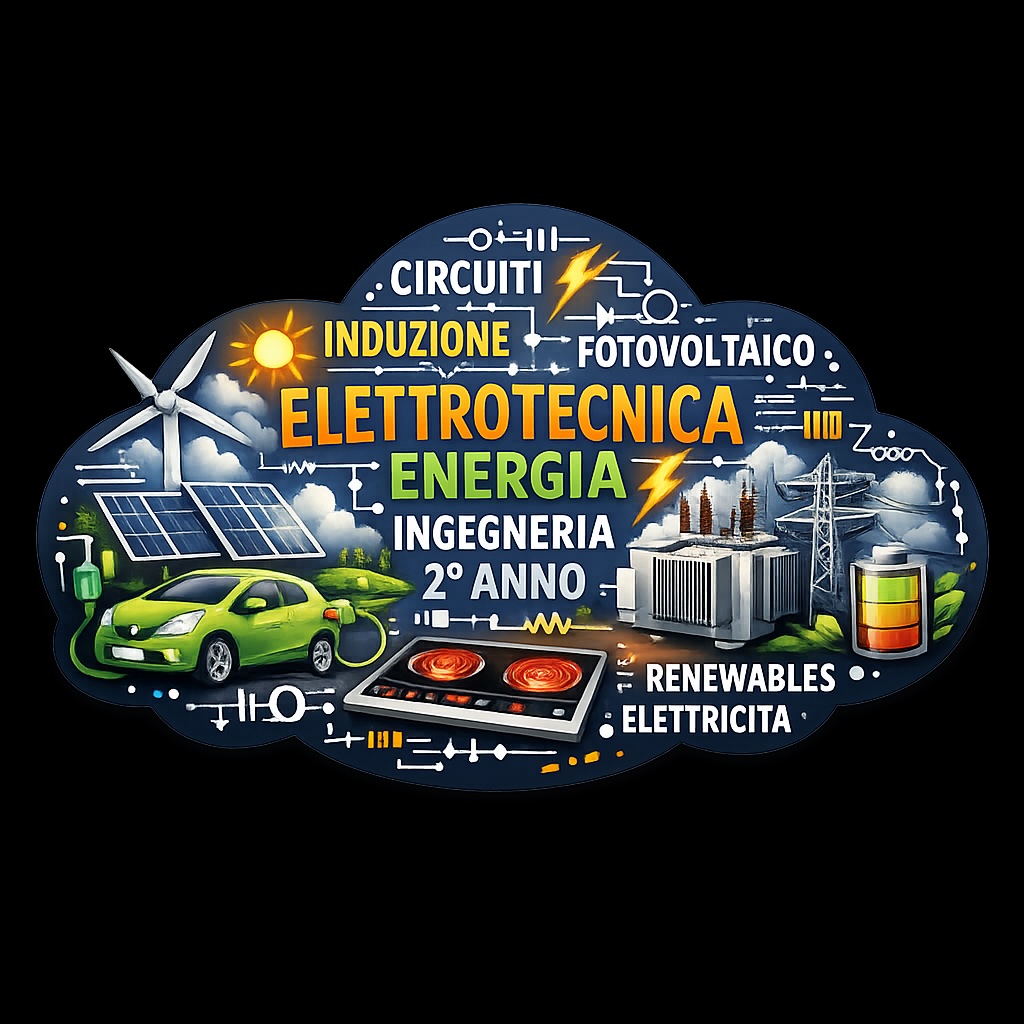
Benvenuti a **Elettrotecnica**: questo corso serve a darvi una “cassetta degli attrezzi” solida per capire, modellare e risolvere circuiti elettrici reali — e per collegare quei circuiti al mondo vero: energia, conversione, reti, dispositivi e processi industriali.
Partiremo dalle grandezze fondamentali (**carica, corrente, tensione**) e dal **modello circuitale**: quando ha senso rappresentare un sistema fisico con una rete di componenti “a parametri concentrati” e quali ipotesi ci permettono di farlo senza semplificare troppo. Su questa base costruiremo l’ossatura dell’analisi: **leggi di Kirchhoff**, metodi **nodale** e **a maglie**, e gli strumenti che permettono di semplificare reti complesse mantenendo il controllo su ciò che stiamo facendo (reti equivalenti, **Thevenin/Norton**, sovrapposizione, ecc.). L’obiettivo non è imparare ricette, ma acquisire un metodo: impostare bene il problema, fare conti puliti e verificare se il risultato “sta in piedi”.
Una parte importante sarà dedicata a **potenza ed energia** nei circuiti: convenzioni di segno, bilanci, potenza istantanea e media, e interpretazione fisica (chi assorbe, chi eroga, dove va l’energia). Qui l’elettrotecnica diventa davvero ingegneria: non solo numeri, ma lettura del comportamento del sistema.
Poi passeremo ai componenti che introducono memoria e dinamica: **condensatori e induttori**, transitori, risposta al gradino, costanti di tempo e stabilità. Questa è la base per capire accensioni, spegnimenti, controlli e disturbi: la realtà è quasi sempre “variabile”, e saperla gestire fa la differenza.
A seguire affronteremo il **regime sinusoidale**: fasori, impedenze, ammettenze, potenze in AC, fattore di potenza e rifasamento. Subito dopo faremo un passo in più verso il **regime variabile** in senso più generale: come leggere e trattare segnali non puramente sinusoidali e perché molti concetti dell’AC restano strumenti utilissimi anche quando il segnale cambia forma (in pratica: come ragiona un ingegnere quando il mondo non è “perfettamente” sinusoidale).
Inseriremo anche una sezione sui **campi elettromagnetici a bassa frequenza**, perché è lì che si capisce davvero *perché* i modelli circuitali funzionano e dove iniziano i loro limiti. Vedremo il collegamento tra **circuiti e campi** nel regime quasi-stazionario: come correnti e tensioni si legano a campo elettrico e magnetico, cosa significa **accoppiamento induttivo**, come nasce la **mutua induzione** e perché concetti come flusso concatenato, induttanza e trasformazione non sono “magia” ma conseguenza diretta della fisica. Questo blocco vi servirà per leggere con più consapevolezza trasformatori, macchine elettriche, sensori e molte applicazioni industriali basate su campi a bassa frequenza (dall’energia ai processi elettrotermici).
Chiuderemo con un messaggio di contesto: l’**elettrificazione di sistemi e processi** (mobilità, industria, casa, reti) non è uno slogan, è una traiettoria tecnologica concreta. E per guidarla servono ingegneri che sappiano passare con naturalezza dal “circuito sulla carta” al “fenomeno fisico”, scegliendo il modello giusto, calcolando bene e spiegando sempre il perché dei passaggi.
- Enseignant: Fabrizio Dughiero
- Enseignant: Michele Forzan
- Enseignant: Luigi Alberti
- Enseignant: Piergiorgio Alotto
- Enseignant: Mauro Andriollo
- Enseignant: Bruno Atzori
- Enseignant: Marco Azzolin
- Enseignant: Andrea Bagno
- Enseignant: Michele Ballan
- Enseignant: Elena Barbera
- Enseignant: Massimiliano Barolo
- Enseignant: Alberto Benato
- Enseignant: Roberto Benato
- Enseignant: Ernesto Benini
- Enseignant: Enrico Bernardo
- Enseignant: Roberta Bertani
- Enseignant: Rachele Bertolini
- Enseignant: Manuele Bertoluzzo
- Enseignant: Alberto Bertucco
- Enseignant: Fabrizio Bezzo
- Enseignant: Nicola Bianchi
- Enseignant: Lisa Biasetto
- Enseignant: Fabio Bignucolo
- Enseignant: Carlo Boaretti
- Enseignant: Silverio Bolognani
- Enseignant: Stefano Bortolin
- Enseignant: Matteo Bottin
- Enseignant: Katya Brunelli
- Enseignant: Stefania Bruschi
- Enseignant: Irene Calliari
- Enseignant: Alberto Campagnolo
- Enseignant: Paolo Canu
- Enseignant: Francesca Cappelletti
- Enseignant: Emanuele Luigi Carniel
- Enseignant: Giovanna Cavazzini
- Enseignant: Elisa Cimetta
- Enseignant: Silvio Cocuzza
- Enseignant: Paolo Colombo
- Enseignant: Massimiliano Coppo
- Enseignant: Stefano Corradetti
- Enseignant: Sebastian Dambone Sessa
- Enseignant: Michele De Carli
- Enseignant: Davide Del Col
- Enseignant: Monica Dettin
- Enseignant: Antonino Di Bella
- Enseignant: Andrea Diani
- Enseignant: Alberto Doria
- Enseignant: Fabrizio Dughiero
- Enseignant: Hamada Said Abdelwahab Elsayed
- Enseignant: Nicola Elvassore
- Enseignant: Giuseppe Emmi
- Enseignant: monica fabrizio
- Enseignant: Pierantonio Facco
- Enseignant: Giulio Fanti
- Enseignant: laura fedele
- Enseignant: Michele Forzan
- Enseignant: Giorgia Franchin
- Enseignant: Andrea Ghiotti
- Enseignant: Monica Giomo
- Enseignant: Massimo Guarnieri
- Enseignant: Andrea Lazzaretto
- Enseignant: Basilio Lenzo
- Enseignant: Alessandra Lorenzetti
- Enseignant: Arturo Lorenzoni
- Enseignant: Roberto Lot
- Enseignant: Giovanni Lucchetta
- Enseignant: Alessandro Manzardo
- Enseignant: Mattia Manzolaro
- Enseignant: Andrea Marion
- Enseignant: Giuseppe Maschio
- Enseignant: Massimo Masi
- Enseignant: Matteo Massaro
- Enseignant: Anna Mazzi
- Enseignant: Giovanni Meneghetti
- Enseignant: Silvia Minetto
- Enseignant: Riccardo Minto
- Enseignant: Paolo Mocellin
- Enseignant: Michele Modesti
- Enseignant: Federico Moro
- Enseignant: Lorenzo Moro
- Enseignant: Lucia Nicola
- Enseignant: Marco Noro
- Enseignant: Ludovico Ortombina
- Enseignant: alberto ortona
- Enseignant: Ilaria Palomba
- Enseignant: Piero Pavan
- Enseignant: Giorgio Pavesi
- Enseignant: Nicola Petrone
- Enseignant: Sergio Rech
- Enseignant: Mauro Ricotta
- Enseignant: Giulio Rosati
- Enseignant: Martina Roso
- Enseignant: Antonio Rossetti
- Enseignant: Luisa Rossetto
- Enseignant: Andrea Claudio Santomaso
- Enseignant: Enrico Savio
- Enseignant: Antonio Scipioni
- Enseignant: Eleonora Sforza
- Enseignant: Paolo Sgarbossa
- Enseignant: Elisabetta Sieni
- Enseignant: Angelo Simone
- Enseignant: Enrico Simonetto
- Enseignant: Marco Sorgato
- Enseignant: Sara Spilimbergo
- Enseignant: Anna Stoppato
- Enseignant: Silvia Todros
- Enseignant: Riccardo Torchio
- Enseignant: Roberto Turri
- Enseignant: Maria Francesca Uccheddu
- Enseignant: Chiara Vianello
- Enseignant: Jacopo Vivian
- Enseignant: Angelo Zarrella
- Enseignant: Luigi Alberti
- Enseignant: Piergiorgio Alotto
- Enseignant: Mauro Andriollo
- Enseignant: Bruno Atzori
- Enseignant: Marco Azzolin
- Enseignant: Andrea Bagno
- Enseignant: Michele Ballan
- Enseignant: Elena Barbera
- Enseignant: Massimiliano Barolo
- Enseignant: Alberto Benato
- Enseignant: Roberto Benato
- Enseignant: Ernesto Benini
- Enseignant: Enrico Bernardo
- Enseignant: Roberta Bertani
- Enseignant: Rachele Bertolini
- Enseignant: Manuele Bertoluzzo
- Enseignant: Alberto Bertucco
- Enseignant: Fabrizio Bezzo
- Enseignant: Nicola Bianchi
- Enseignant: Lisa Biasetto
- Enseignant: Fabio Bignucolo
- Enseignant: Carlo Boaretti
- Enseignant: Silverio Bolognani
- Enseignant: Stefano Bortolin
- Enseignant: Matteo Bottin
- Enseignant: Katya Brunelli
- Enseignant: Stefania Bruschi
- Enseignant: Irene Calliari
- Enseignant: Alberto Campagnolo
- Enseignant: Paolo Canu
- Enseignant: Francesca Cappelletti
- Enseignant: Emanuele Luigi Carniel
- Enseignant: Giovanna Cavazzini
- Enseignant: Elisa Cimetta
- Enseignant: Silvio Cocuzza
- Enseignant: Paolo Colombo
- Enseignant: Massimiliano Coppo
- Enseignant: Stefano Corradetti
- Enseignant: Sebastian Dambone Sessa
- Enseignant: Michele De Carli
- Enseignant: Davide Del Col
- Enseignant: Monica Dettin
- Enseignant: Antonino Di Bella
- Enseignant: Andrea Diani
- Enseignant: Alberto Doria
- Enseignant: Fabrizio Dughiero
- Enseignant: Hamada Said Abdelwahab Elsayed
- Enseignant: Nicola Elvassore
- Enseignant: Giuseppe Emmi
- Enseignant: Giuseppe Emmi
- Enseignant: monica fabrizio
- Enseignant: Pierantonio Facco
- Enseignant: Giulio Fanti
- Enseignant: laura fedele
- Enseignant: Michele Forzan
- Enseignant: Giorgia Franchin
- Enseignant: Andrea Ghiotti
- Enseignant: Monica Giomo
- Enseignant: Massimo Guarnieri
- Enseignant: Andrea Lazzaretto
- Enseignant: Basilio Lenzo
- Enseignant: Alessandra Lorenzetti
- Enseignant: Arturo Lorenzoni
- Enseignant: Roberto Lot
- Enseignant: Giovanni Lucchetta
- Enseignant: Alessandro Manzardo
- Enseignant: Mattia Manzolaro
- Enseignant: Andrea Marion
- Enseignant: Giuseppe Maschio
- Enseignant: Massimo Masi
- Enseignant: Matteo Massaro
- Enseignant: Anna Mazzi
- Enseignant: Giovanni Meneghetti
- Enseignant: Silvia Minetto
- Enseignant: Silvia Minetto
- Enseignant: Riccardo Minto
- Enseignant: Paolo Mocellin
- Enseignant: Michele Modesti
- Enseignant: ALBERTO MONETTI
- Enseignant: alberto monetti
- Enseignant: Federico Moro
- Enseignant: Lorenzo Moro
- Enseignant: Lucia Nicola
- Enseignant: Marco Noro
- Enseignant: Ludovico Ortombina
- Enseignant: alberto ortona
- Enseignant: Ilaria Palomba
- Enseignant: Piero Pavan
- Enseignant: Giorgio Pavesi
- Enseignant: Nicola Petrone
- Enseignant: Sergio Rech
- Enseignant: Mauro Ricotta
- Enseignant: Giulio Rosati
- Enseignant: Martina Roso
- Enseignant: Antonio Rossetti
- Enseignant: Luisa Rossetto
- Enseignant: Andrea Claudio Santomaso
- Enseignant: Enrico Savio
- Enseignant: Antonio Scipioni
- Enseignant: Eleonora Sforza
- Enseignant: Paolo Sgarbossa
- Enseignant: Elisabetta Sieni
- Enseignant: Elisabetta Sieni
- Enseignant: Angelo Simone
- Enseignant: Enrico Simonetto
- Enseignant: Marco Sorgato
- Enseignant: Sara Spilimbergo
- Enseignant: Anna Stoppato
- Enseignant: Silvia Todros
- Enseignant: Riccardo Torchio
- Enseignant: Roberto Turri
- Enseignant: Maria Francesca Uccheddu
- Enseignant: Chiara Vianello
- Enseignant: Jacopo Vivian
- Enseignant: Angelo Zarrella
- Enseignant: Luigi Alberti
- Enseignant: Piergiorgio Alotto
- Enseignant: Mauro Andriollo
- Enseignant: Bruno Atzori
- Enseignant: Marco Azzolin
- Enseignant: Andrea Bagno
- Enseignant: Michele Ballan
- Enseignant: Elena Barbera
- Enseignant: Massimiliano Barolo
- Enseignant: Alberto Benato
- Enseignant: Roberto Benato
- Enseignant: Ernesto Benini
- Enseignant: Enrico Bernardo
- Enseignant: Roberta Bertani
- Enseignant: Rachele Bertolini
- Enseignant: Manuele Bertoluzzo
- Enseignant: Alberto Bertucco
- Enseignant: Fabrizio Bezzo
- Enseignant: Nicola Bianchi
- Enseignant: Lisa Biasetto
- Enseignant: Fabio Bignucolo
- Enseignant: Carlo Boaretti
- Enseignant: Silverio Bolognani
- Enseignant: Stefano Bortolin
- Enseignant: Matteo Bottin
- Enseignant: Katya Brunelli
- Enseignant: Stefania Bruschi
- Enseignant: Irene Calliari
- Enseignant: Alberto Campagnolo
- Enseignant: Paolo Canu
- Enseignant: Francesca Cappelletti
- Enseignant: Emanuele Luigi Carniel
- Enseignant: Giovanna Cavazzini
- Enseignant: Elisa Cimetta
- Enseignant: Silvio Cocuzza
- Enseignant: Paolo Colombo
- Enseignant: Massimiliano Coppo
- Enseignant: Stefano Corradetti
- Enseignant: Sebastian Dambone Sessa
- Enseignant: Michele De Carli
- Enseignant: Davide Del Col
- Enseignant: Monica Dettin
- Enseignant: Antonino Di Bella
- Enseignant: Andrea Diani
- Enseignant: Alberto Doria
- Enseignant: Fabrizio Dughiero
- Enseignant: Hamada Said Abdelwahab Elsayed
- Enseignant: Nicola Elvassore
- Enseignant: Giuseppe Emmi
- Enseignant: monica fabrizio
- Enseignant: Pierantonio Facco
- Enseignant: Giulio Fanti
- Enseignant: laura fedele
- Enseignant: Michele Forzan
- Enseignant: Giorgia Franchin
- Enseignant: Andrea Ghiotti
- Enseignant: Monica Giomo
- Enseignant: Massimo Guarnieri
- Enseignant: Andrea Lazzaretto
- Enseignant: Basilio Lenzo
- Enseignant: Alessandra Lorenzetti
- Enseignant: Arturo Lorenzoni
- Enseignant: Roberto Lot
- Enseignant: Giovanni Lucchetta
- Enseignant: Alessandro Manzardo
- Enseignant: Mattia Manzolaro
- Enseignant: Andrea Marion
- Enseignant: Giuseppe Maschio
- Enseignant: Giuseppe Maschio
- Enseignant: Massimo Masi
- Enseignant: Matteo Massaro
- Enseignant: Anna Mazzi
- Enseignant: Giovanni Meneghetti
- Enseignant: Silvia Minetto
- Enseignant: Silvia Minetto
- Enseignant: Riccardo Minto
- Enseignant: Paolo Mocellin
- Enseignant: Michele Modesti
- Enseignant: alberto monetti
- Enseignant: Federico Moro
- Enseignant: Lorenzo Moro
- Enseignant: Lucia Nicola
- Enseignant: Marco Noro
- Enseignant: Ludovico Ortombina
- Enseignant: alberto ortona
- Enseignant: Ilaria Palomba
- Enseignant: Piero Pavan
- Enseignant: Giorgio Pavesi
- Enseignant: Nicola Petrone
- Enseignant: Sergio Rech
- Enseignant: Mauro Ricotta
- Enseignant: Giulio Rosati
- Enseignant: Martina Roso
- Enseignant: Antonio Rossetti
- Enseignant: Luisa Rossetto
- Enseignant: Andrea Claudio Santomaso
- Enseignant: Enrico Savio
- Enseignant: Antonio Scipioni
- Enseignant: Eleonora Sforza
- Enseignant: Paolo Sgarbossa
- Enseignant: Elisabetta Sieni
- Enseignant: Angelo Simone
- Enseignant: Enrico Simonetto
- Enseignant: Marco Sorgato
- Enseignant: Sara Spilimbergo
- Enseignant: Anna Stoppato
- Enseignant: Silvia Todros
- Enseignant: Riccardo Torchio
- Enseignant: Roberto Turri
- Enseignant: Maria Francesca Uccheddu
- Enseignant: Chiara Vianello
- Enseignant: Jacopo Vivian
- Enseignant: Angelo Zarrella
- Enseignant: Luigi Alberti
- Enseignant: Mauro Andriollo
- Enseignant: Roberto Benato
- Enseignant: Mattia Bruschetta
- Enseignant: Chiara Bustreo
- Enseignant: Irene Calliari
- Enseignant: Manuela Campanale
- Enseignant: Gianluca Carraro
- Enseignant: Angelo Cenedese
- Enseignant: Paolo Colombo
- Enseignant: Sebastian Dambone Sessa
- Enseignant: Antonino Di Bella
- Enseignant: Fabrizio Dughiero
- Enseignant: Andrea Lazzaretto
- Enseignant: Martino Margoni
- Enseignant: Lorenzo Moro
- Enseignant: Francesco Nascimben
- Enseignant: Lucia Nicola
- Enseignant: Marco Pastura
- Enseignant: Sergio Rech
- Enseignant: Lorenzo Sanavia
- Enseignant: Francesco Sanniti
- Enseignant: Emanuele Sartori
- Enseignant: Luca Schenato
- Enseignant: Anna Stoppato
- Enseignant: Riccardo Torchio
- Enseignant: Angelo Zarrella
- Enseignant: Giuseppe Zollino
- Enseignant: Elena Barbera
- Enseignant: Massimiliano Barolo
- Enseignant: Fabrizio Bezzo
- Enseignant: Carlo Boaretti
- Enseignant: Paolo Canu
- Enseignant: Elisa Cimetta
- Enseignant: Federico D'Amore
- Enseignant: Fabrizio Dughiero
- Enseignant: Christian Durante
- Enseignant: Michele Forzan
- Enseignant: Alessandro Manzardo
- Enseignant: Paolo Mocellin
- Enseignant: Michele Modesti
- Enseignant: Martina Roso
- Enseignant: Andrea Claudio Santomaso
- Enseignant: Eleonora Sforza
- Enseignant: Sara Spilimbergo