- Docente: Antonio Annis
- Docente: Pietro Teatini
- Docente: Filippo Catani
- Docente: Francesca Ceccato
- Docente: Xinglai Sun
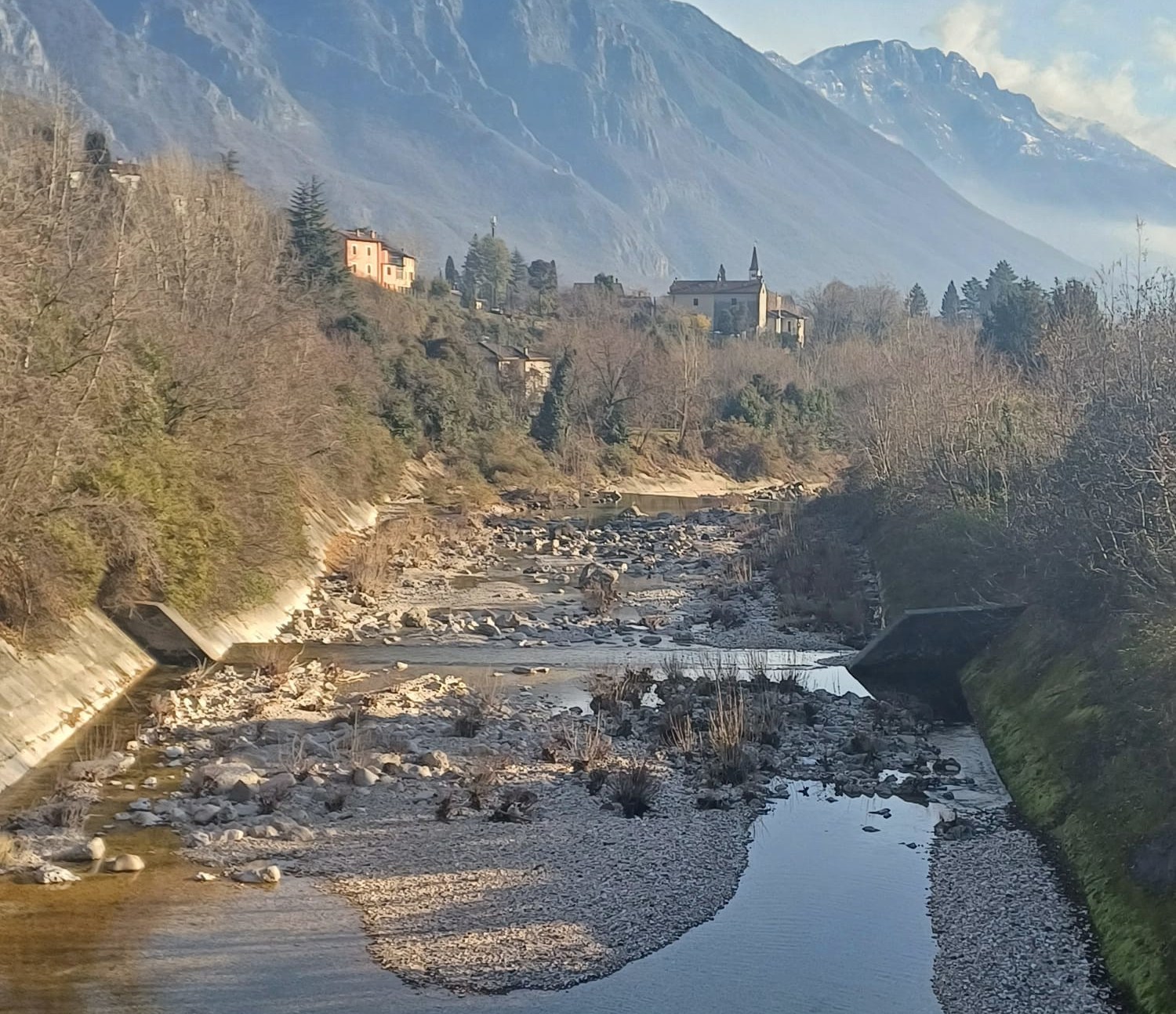
On completion of this module,, students will be able to understand and explain the coupled energy and water cycles from the global to the local scale; how water interacts with Earth’s surface and moves above and below it; how the energy and water cycles change as a result of natural and anthropogenic processes; the main tools of statistical hydrology and their use in applications to floods and droughts. The learning process will be based on use of real-world case studies.
- Docente: Antonio Annis
Dear Students,
to receive the code to enrol, please write to chiara.dalpaos@unipd.it
Best wishes,
Chiara D'Alpaos
to receive the code to enrol, please write to chiara.dalpaos@unipd.it
Best wishes,
Chiara D'Alpaos
- Docente: Chiara D'Alpaos
- Docente: Cristiano Franceschinis
- Docente: Davide Bernardi
- Docente: Andrea Rinaldo
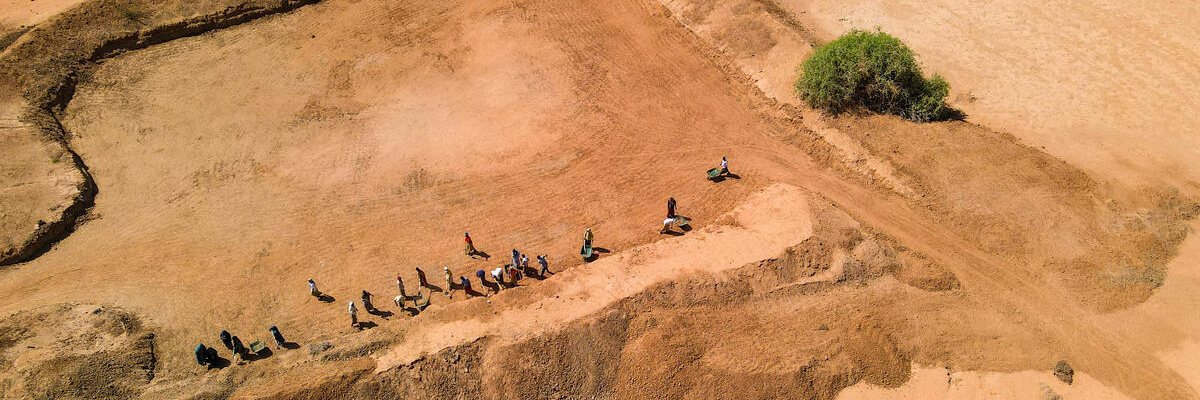
This course explores the relationships between water, agriculture and the environment, with a focus on the challenges posed by water scarcity, extreme events and agricultural pollution.
Starting from the basic principles of agricultural water management, the course will address soil-water-plant interactions, crop water requirements, irrigation and water use efficiency, drainage, erosion and water quality. Particular attention will be given to the application of these concepts through case studies and agroecosystem modelling.
The course aims to provide students with the knowledge and tools needed to understand how agricultural systems interact with water resources and to support more sustainable water and land management.
- Docente: Matteo Longo